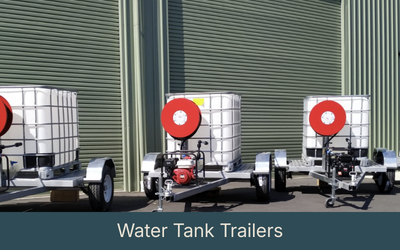
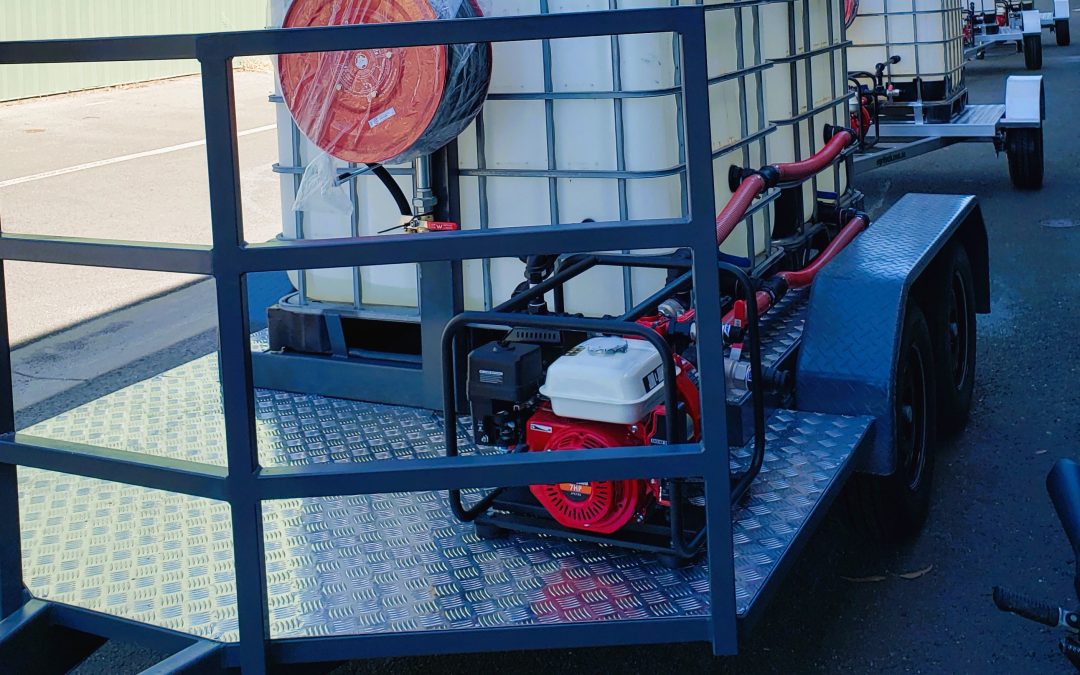
If you live on a rural property, you already know water is everything. It’s not just about convenience, it’s about keeping your animals healthy, protecting your land, and staying prepared when conditions change quickly. That’s why water tank trailers are one of the smartest investments you can make.
But one of the first questions most buyers ask is: What size water tank trailer do I actually need?
Go too small and you’ll be refilling constantly. Go too big and you may run into towing limitations, access issues, or unnecessary costs.
This fast guide will help you choose the right water tank trailer size for your property based on real-world use, not guesswork.
Why water tank trailer size matters
The right size trailer saves you time, fuel, and frustration. It also helps with:
-
reliable animal watering
-
firefighting readiness
-
garden and orchard irrigation
-
dust suppression on driveways
-
water transport between tanks and paddocks
-
off-grid property management
The best size depends on what you’re using it for and how often you want to refill.
Step 1: Decide what you’ll use it for most
Most rural owners use tank trailers for one of these main reasons:
Stock watering
If you’re moving water to troughs, you’ll want a setup that reduces trips and handles rough access.
Fire protection
Many property owners want an emergency supply ready during fire season.
General property tasks
Dust control, gardens, tree watering, washdown, equipment cleaning.
Your “main purpose” will guide your trailer size more than anything else.
Step 2: Estimate how much water you need per day
Here’s the simplest way to calculate your minimum size:
Daily water requirement x number of days between refills
For example:
If you want to move 1,000L every few days and refill weekly, a 3,000L to 5,000L setup may suit better than 1,000L.
If you’re doing daily top-ups for animals, you may prefer a smaller size for easy towing and manoeuvrability.
Step 3: Consider your towing vehicle
This is where people get caught out.
The biggest trailer isn’t always the best trailer if your towing setup cannot legally or safely handle it.
Before choosing your tank size, confirm:
-
your vehicle’s towing capacity
-
whether your vehicle is rated for braked towing loads
-
your confidence towing on slopes, dirt roads, and uneven ground
Water is heavy.
1,000 litres of water weighs roughly 1 tonne before factoring in the trailer weight.
That means a full tank trailer can become a serious load very quickly.
Step 4: Match the tank size to property access
Your property layout matters.
Ask yourself:
-
Do you need to tow through narrow gates?
-
Is the ground uneven or steep?
-
Will you tow across paddocks or just along driveways?
-
Are you turning around near troughs and water points?
If access is tight, smaller tanks can be more practical and safer.
Common water tank trailer sizes and what they’re best for
Here’s a fast guide to help you choose.
1,000L to 2,000L tank trailer
Best for:
-
small rural blocks
-
topping up troughs
-
gardens and irrigation
-
easy towing with smaller vehicles
-
simple daily property use
This size is a great all-rounder for regular jobs, especially if your towing vehicle is a standard ute.
3,000L to 5,000L tank trailer
Best for:
-
larger rural properties
-
fewer refill trips
-
larger stock watering needs
-
fire season readiness
-
more serious water movement tasks
This range suits people who want reliability and fewer runs back and forth.
6,000L+ tank trailer
Best for:
-
large acreage
-
remote properties
-
serious firefighting support
-
commercial and industrial applications
-
moving large volumes regularly
This size needs a towing setup that can handle the weight safely. If you are towing fully loaded on hills or uneven ground, build strength and braking become a major priority.
Don’t forget the extras that make life easier
When choosing a water tank trailer, size is only one part of the picture.
The right features can massively improve usability, including:
-
pump system suitability
-
hose and storage mounts
-
filling and drainage options
-
stability and handling
-
durable construction for rough terrain use
A well-built trailer makes rural property life easier, faster, and safer.
What size should most rural properties choose?
If you want a general-purpose tank trailer for rural use, most property owners choose somewhere in the 2,000L to 5,000L range depending on their tow vehicle and refill frequency.
That range is often the sweet spot between:
-
enough water to be useful
-
practical towing and handling
-
efficient refill cycles
-
strong value for money
Contact us for help making your decision
Choosing the right water tank trailer size comes down to three things:
-
what you’re using it for
-
how much water you need between refills
-
what your towing setup can safely handle
Get those right, and you’ll end up with a trailer that becomes one of your most-used tools on the property.